


Emergency Water Guide and Workbook
Water preparedness doesn't have to be complicated. Our all-in-one Emergency Water Guide & Workbook walks you through everything you need to know to build a reliable water supply customized for your family. Learn how much water to store, how to choose containers, keep water safe, and prepare for emergencies when your tap may stop working. With practical guidance and easy-to-use worksheets, you'll turn uncertainty into a clear, manageable plan. Start preparing today—because clean water is one thing your family can't do without.
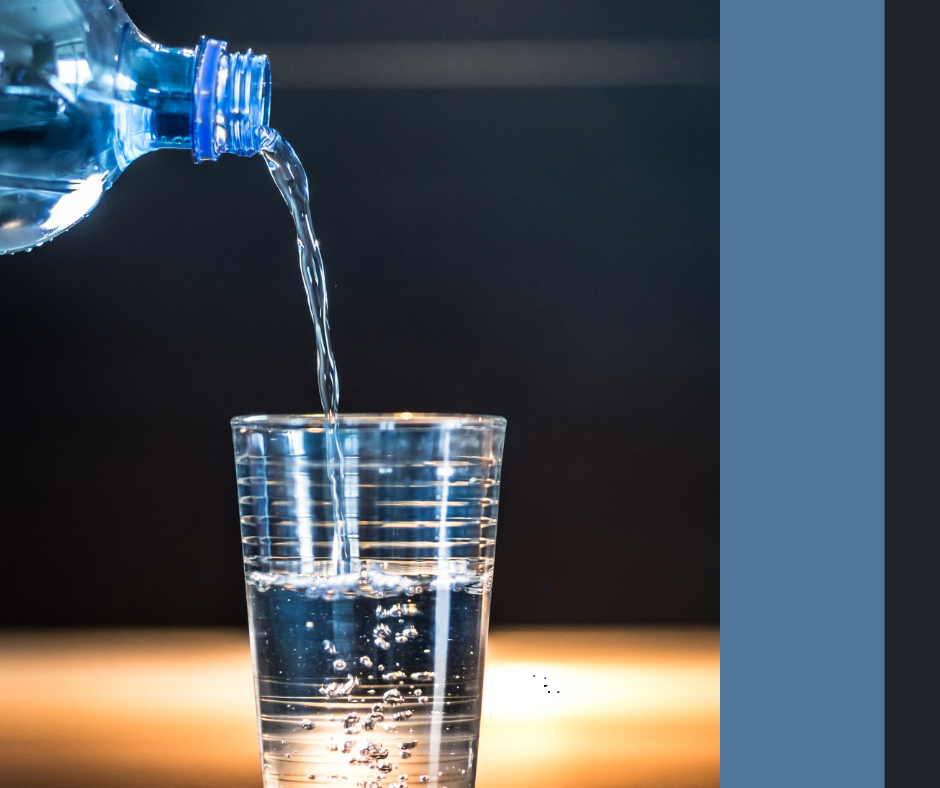
Emergency Water Storage and Preparation
Water is one of the most important—and often overlooked—parts of emergency preparedness. Learn how much water your family needs, how to store it safely, which containers and storage methods work best, and how to make your supply last. From everyday drinking water to sanitation and cooking needs, this guide will help you build a practical water supply and prepare for interruptions to your normal water service. Start small, plan ahead, and make sure your family has access to clean water when it matters most.

Water Storage Containers: The Best Options for Every Budget and Space
Choosing the right water storage containers doesn't have to be expensive or complicated. Whether you're preparing in a small apartment, working with a tight budget, or building a long-term water supply for your family, there are options that fit your needs. Explore the pros and cons of different water storage containers, learn what to look for, and discover practical ways to store water safely in the space you have. Find the right solution for your home and start building your water supply one container at a time.

How to Purify Water at Home (5 Simple Methods That Work)
Knowing how to make water safe to drink is an essential preparedness skill. Discover five practical methods for purifying water at home, from boiling and filtration to other effective treatment options. Learn which methods work best, what supplies you need, and how to prepare for situations when your usual water source may not be safe.

How to Filter and Sanitize Water in an Emergency
What happens when your usual source of clean water is no longer available? Knowing how to make water safe to drink is an essential emergency preparedness skill. Learn the difference between filtering and sanitizing water, which methods work best in different situations, and how to treat water when your normal supply is disrupted. From portable filters to boiling and chemical treatment, this practical guide will help you prepare to find and safely use water when your family needs it most.

How to Store Water in Small Spaces: Creative Solutions for Apartments and Tiny Homes
Think you don't have enough room to store emergency water? Even small apartments and tiny homes can accommodate a practical water supply with a little creativity. Discover space-saving storage solutions, smart container options, and overlooked places to keep water without cluttering your home. Learn how to prioritize your family's water needs and build a supply that fits your space and budget. You don't need a basement or a garage to be prepared!

What to Do When the Water Stops Running: A Family Guide to Water Outages
What would you do if the water suddenly stopped flowing from your taps? Whether it's a broken water main, power outage, contamination, or a larger emergency, knowing what to do can make all the difference. Learn how to respond, find alternative water sources, conserve what you have, and keep your family safe until normal service is restored. A little preparation now can prevent a lot of stress later.

Emergency Water Storage Mistakes to Avoid
Storing emergency water is important, but a few common mistakes can leave your supply unsafe or unusable when you need it most. Learn what to avoid when choosing containers, filling and treating water, selecting storage locations, and maintaining your supply. Protect your investment and make sure the water you've stored will be ready when your family needs it.

Signs That Water May Be Contaminated
Not all contaminated water looks dirty or smells bad. Learn how to recognize potential warning signs of unsafe water, what changes in color, smell, or taste may indicate, and when to avoid drinking from an uncertain source. More importantly, understand why clear-looking water isn't always safe and what steps to take to protect your family from waterborne illness. Knowing what to look for is an important part of water preparedness.