


What Every Homeowner Should Stock to Protect and Secure Their Home in an Emergency
Preparing your home for an emergency means more than stocking food and water. Having the right tools and supplies on hand can help you protect your property, handle unexpected repairs, and address safety concerns when help isn't immediately available. Learn what every homeowner should consider keeping on hand, from basic tools and repair supplies to lighting, fire safety, and home security essentials. Build a practical supply of items that help keep your home safe, functional, and ready for the unexpected.

15 Ways to Make Your Home Safer Before a Disaster
Your home should be a safe place during an emergency, but a little preparation can make a big difference. Discover 15 practical ways to reduce hazards, strengthen your home's safety, and protect your family before disaster strikes. From securing heavy furniture and preparing for power outages to improving fire safety and identifying potential risks, these simple steps can help make your home safer and more resilient.

Security and Self-Defense: Building Confidence in Uncertain Times
Feeling safe and confident is an important part of being prepared. Learn practical ways to improve personal and home security, develop situational awareness, and build skills that help you respond to uncomfortable or potentially dangerous situations. Explore realistic, responsible approaches to self-defense and protecting your family without living in fear. Preparedness is about building confidence, making informed decisions, and knowing how to keep yourself and those you love safer.

Your CO Detector May Not Be Working the Way You Think
Carbon monoxide is an invisible, odorless danger that can put your family at serious risk, especially during power outages or when using alternative heating sources. But are your carbon monoxide detectors actually protecting you the way you think? Learn how CO detectors work, where to place them, what their limitations are, and how to recognize potential warning signs of carbon monoxide exposure. Don't assume your home is protected—make sure you understand your detectors and know how to use them properly.
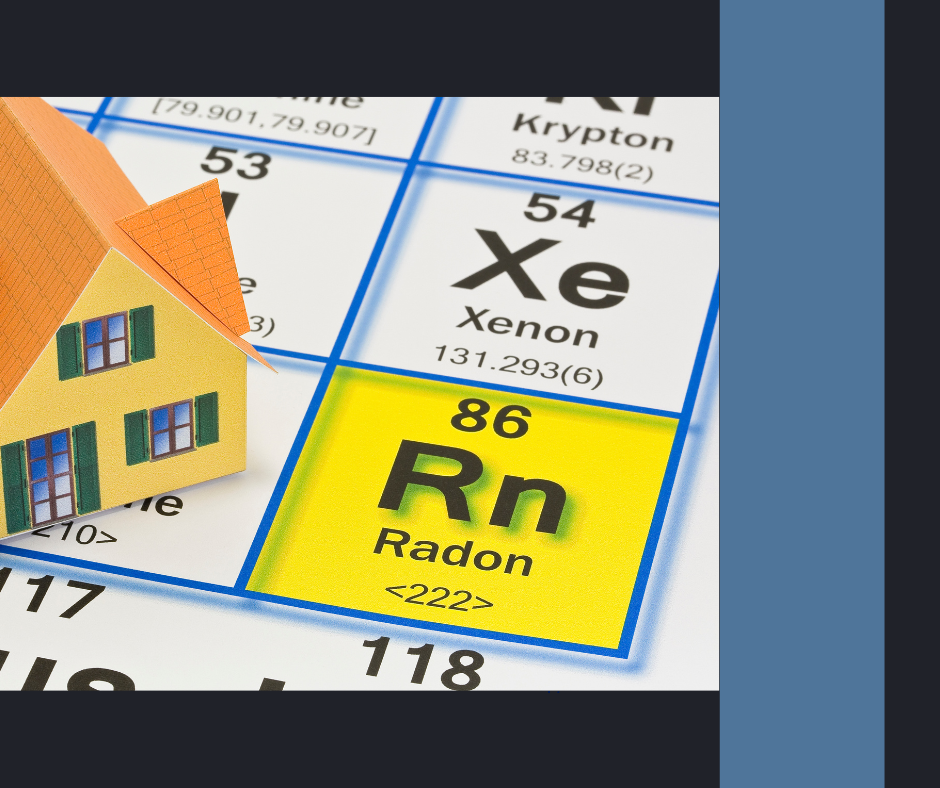
The Truth About Radon
Radon is an invisible, odorless gas that can build up inside your home without you ever knowing it's there. Long-term exposure can increase the risk of lung cancer, but testing and prevention are straightforward ways to protect your family. Learn where radon comes from, why some homes are more vulnerable than others, how to test your home, and what to do if levels are too high.

Stocking Safe Rooms and Storm Shelters
A safe room or storm shelter can provide critical protection during severe weather and other emergencies—but having the space is only the first step. The right supplies can help keep your family safe, comfortable, and prepared while you wait for danger to pass. Learn what to stock in your shelter, from water and food to lighting, communication, first aid, and sanitation supplies, so you're ready when you need to take cover.

The Best Emergency Shelters for Any Disaster Scenario
Not every emergency shelter works for every disaster. Whether you need protection from severe weather, extreme temperatures, a power outage, or a larger-scale disaster, choosing the right shelter can make a big difference in your family's safety and comfort. Explore different emergency shelter options, understand their strengths and limitations, and learn how to choose a practical solution based on your risks, resources, and needs.