

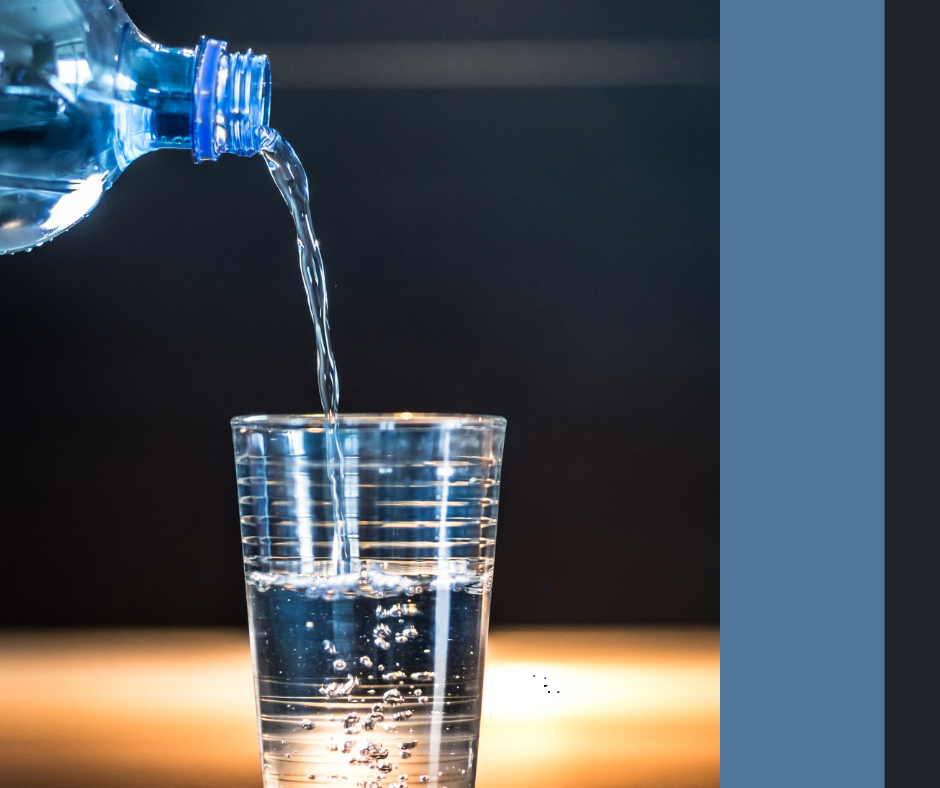
Water
Water is one of the most important things to prepare for—and one of the easiest to overlook until you need it. Whether your water service is interrupted by a natural disaster, contamination, infrastructure failure, or another emergency, having safe drinking water can make all the difference. Learn how much water to store, which containers and filters to use, how to make water safe to drink, and how to build a reliable water supply for your family. Start with the basics and create a plan that works for your space and budget.

Food
When grocery stores are closed, supply chains are disrupted, or an unexpected emergency keeps you home, having food on hand can make life a lot easier. Building an emergency food supply doesn't mean buying expensive freeze-dried meals or storing foods your family will never eat. Learn how to stock your pantry, store food safely, build a long-term supply, and plan meals using foods you already enjoy. Whether you're working with a tight budget or limited storage space, you can create a practical food supply one step at a time.

Emergency Kits
When an emergency happens, you may not have time to gather everything you need. Having a well-stocked emergency kit can help your family manage the first hours and days of an unexpected situation. From 72-hour kits and car emergency supplies to workplace kits and everyday carry essentials, learn what to include, what you can skip, and how to build practical kits without overspending. Whether you're starting from scratch or improving what you already have, we'll help you prepare for the situations most likely to affect your family.
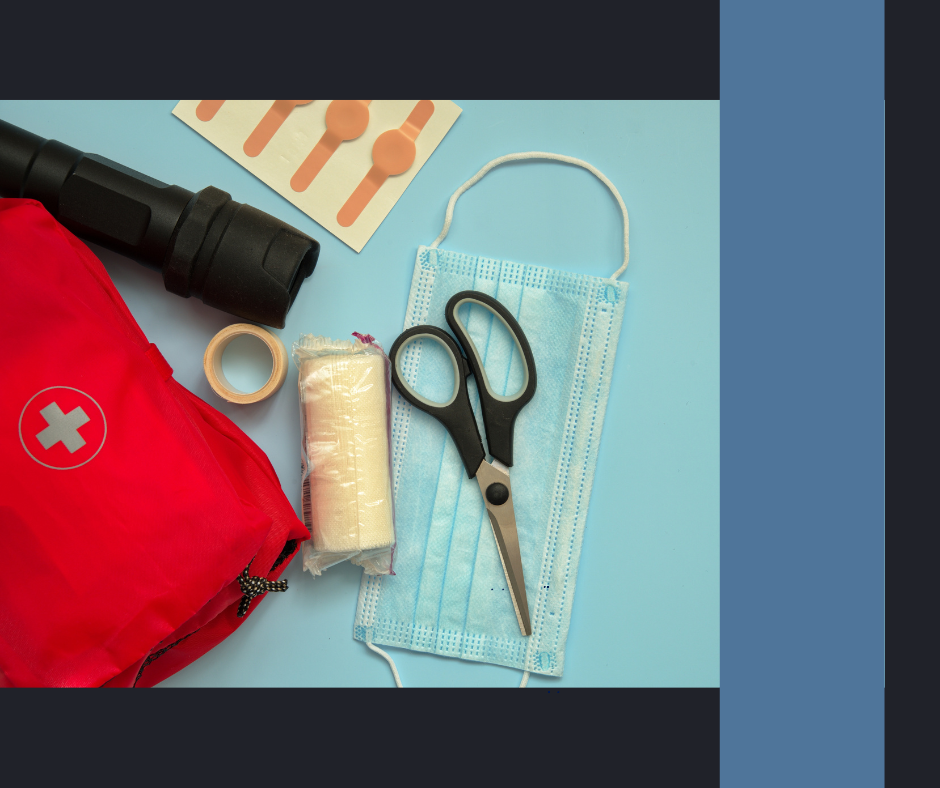
First Aid & Medical
When an emergency happens, medical help may not always be immediately available. Having basic first aid supplies, essential medications, and the knowledge to use them can help you care for your family when it matters most. Learn how to build a practical first aid kit, store medications safely, prepare for common medical emergencies, and develop skills that can make a difference when professional help is delayed. You don't need to be a medical expert to become better prepared—start with the basics and build your confidence over time.

Communication
When disaster strikes, communication can become difficult just when you need it most. Cell networks may be overloaded, power may be out, and family members may be separated in different locations. Having a communication plan and backup options can help everyone know what to do and how to reconnect. Learn about emergency radios, backup power, family communication plans, and alternative ways to stay informed and in touch when your usual methods aren't working.

Money
Cash is an often-overlooked emergency supply, but it can be just as important as food, water, and other essentials. During power outages, natural disasters, or payment system disruptions, credit cards, ATMs, and digital payment apps may not work. Having some cash on hand can help you pay for gas, food, transportation, and other necessities when electronic payments aren't an option. Learn how much to keep, how to store it safely, and how to make cash part of your family's overall preparedness plan.

Emergency Supply Checklist
Not sure what you actually need to prepare? This beginner-friendly emergency preparedness checklist breaks things down into categories. Start with the basics and work your way through the list at your own pace—no need to do everything at once.